



Low Birth Weight
Premature, small for gestational age and low birth weight babies are an important public health concerns, especially in developing countries.This section covers the importance of using different nutrition approaches when managing low birth weight. It also brings extensive information on the nutritional requirements and adequate interventions recommended to ensure the best possible outcomes.
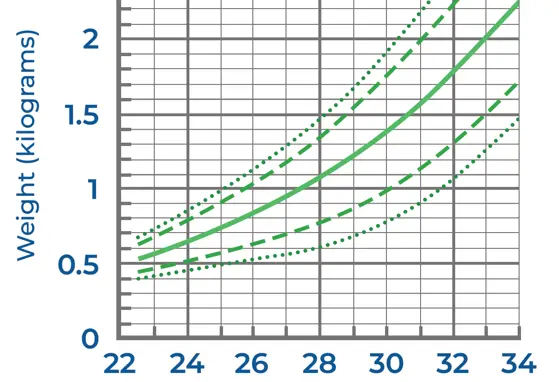
Post-Discharge Nutrition in Preterm Infants: Balancing Growth and Long-Term Health
Post-Discharge Nutrition in Preterm Infants: Balancing Growth and Long-Term Health
Harnessing HMOs for Optimal Health in Preterm Infants
Harnessing HMOs for Optimal Health in Preterm Infants
Optimizing Nutrition for Preterm Infants After Discharge
Optimizing Nutrition for Preterm Infants After Discharge